
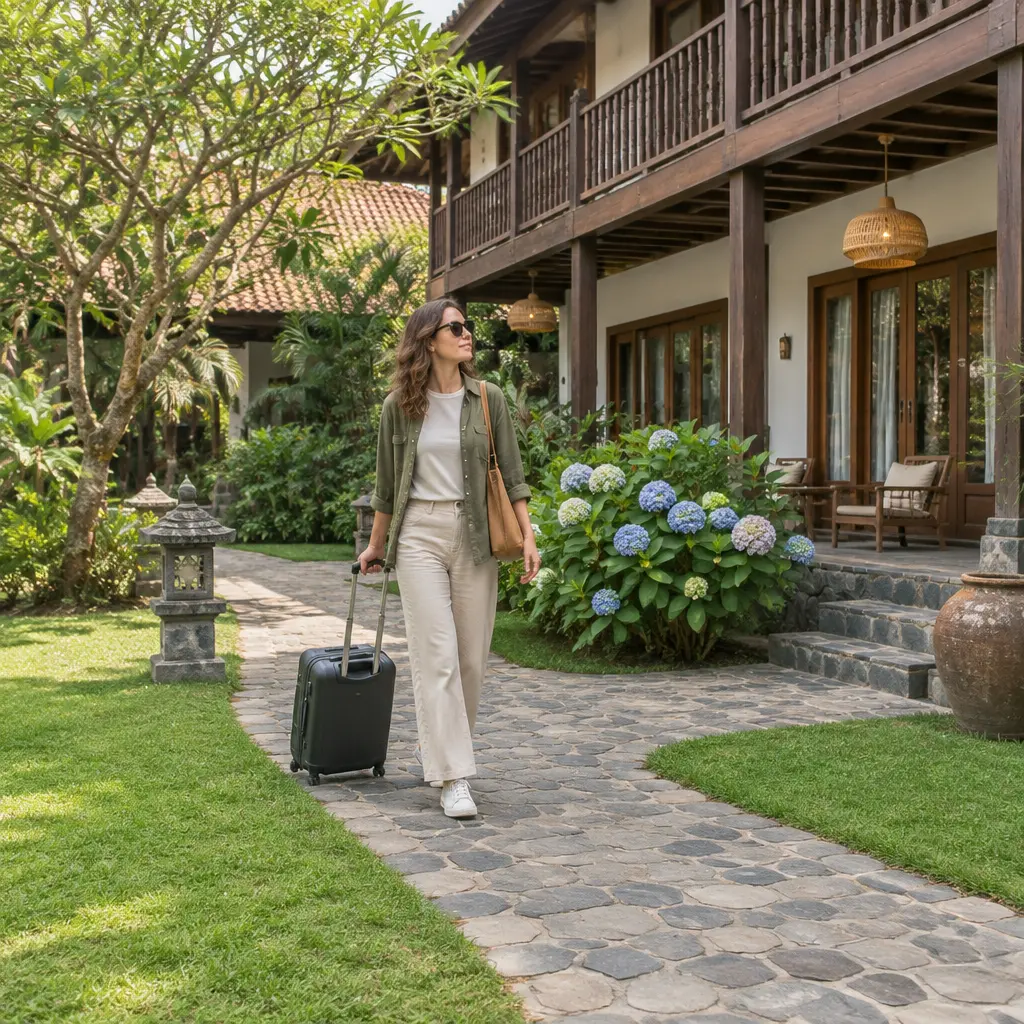
A boutique hotel is a comparatively small, design-led property that offers a distinctive sense of place and more personal service than a standardized large resort. For an intimate escape in Southeast Asia, the strongest choices pair privacy with attentive hospitality and a meaningful connection to their surroundings: from a riverside heritage stay in Luang Prabang to a private-island retreat in Cambodia or a quiet villa in Bali. “Boutique hotel” has no single universal size limit, so the most useful measure is the experience rather than a room-count threshold. The hotels below illustrate different kinds of intimacy—heritage, nature, wellness and low-key luxury—while practical notes help travelers choose a stay that fits their budget, travel style and expectations.
What makes a boutique hotel suited to an intimate escape?
Boutique hotels are generally understood in the hospitality industry as smaller, distinctive properties with individualized design and service. Unlike a chain hotel designed to deliver a relatively consistent experience across locations, a boutique stay often draws on local architecture, food, landscape or cultural traditions. The term is descriptive rather than a formally regulated hotel category; definitions and size thresholds vary among operators and travel guides.
For a romantic or restorative trip, intimacy is not simply a matter of having few rooms. It also depends on the layout, the degree of privacy, the pace of service and whether shared spaces feel calm rather than crowded. A secluded villa may suit guests who value independence, while a small heritage inn may be a better match for travelers who enjoy conversation, local recommendations and a sense of neighborhood.
The wider travel context helps explain the appeal. The World Travel & Tourism Council reported that travel and tourism contributed 9.1% of global GDP in 2023, reflecting the sector’s substantial economic reach. That figure does not measure boutique-hotel demand specifically, but it underscores why choosing accommodation thoughtfully matters: a stay can shape both a visitor’s experience and the benefits tourism brings to local communities.
Privacy and scale
Privacy is the first practical test. Look beyond a property’s marketing language and check whether rooms have separate entrances, outdoor space or meaningful distance from common areas. In popular destinations, a small hotel can still feel busy if its pool, restaurant or beach access is shared with day visitors. Ask the property about occupancy, room placement and quiet hours if seclusion is a priority.
Sense of place and personal service
A strong boutique stay reflects its destination rather than simply borrowing a fashionable design style. That might mean a restored Lao merchant house, Khmer-inspired architecture, locally sourced meals or staff who can arrange a village guide. Personalized service is most valuable when it is specific and useful—such as helping guests plan a respectful temple visit—not merely attentive in appearance.
Responsible travel and access
A remote property can offer quiet, but it may also require boat transfers, longer journeys or additional planning. Travelers should check what is included in the room rate, how the property manages water and waste, and whether activities respect local customs and ecosystems. The United Nations Environment Programme has identified tourism as an important area for improving resource efficiency; guests can support better practices by asking clear questions and choosing operators that explain their approach.
Heritage boutique hotels for an intimate cultural escape
Heritage properties offer intimacy through history and neighborhood connection. Their appeal is strongest for travelers who would rather step into a destination’s everyday rhythms than retreat entirely behind resort gates. Two standout examples are in Luang Prabang and Siem Reap, where heritage architecture and cultural landmarks are central to the experience.
Satri House, Luang Prabang, Laos
Satri House is a restored former residence in Luang Prabang, a UNESCO World Heritage city known for its historic urban landscape and Buddhist monasteries. The hotel’s colonial-era architecture, gardens and restrained scale make it a compelling choice for travelers seeking a quiet base with a strong sense of place. Its appeal is less about isolation than atmosphere: guests can enjoy a composed retreat and still explore the town’s temples, riverside setting and historic streets.
Luang Prabang’s designation as a World Heritage property gives this kind of stay particular context. UNESCO’s listing recognizes the city’s blend of traditional Lao architecture and buildings from the colonial period. For a more intimate visit, plan temple visits respectfully, dress modestly and ask the hotel to recommend local guides or quieter visiting times.
Shinta Mani Angkor, Siem Reap, Cambodia
Shinta Mani Angkor is a design-focused urban retreat in Siem Reap, the gateway to Angkor’s temple complex. The hotel provides a quieter counterpoint to a day of early starts and long walks among major archaeological sites. Its boutique character is expressed through contemporary Khmer-influenced design and a strong emphasis on hospitality, making it a suitable option for couples who want comfort without choosing a large, self-contained resort.
The UNESCO-listed Angkor site covers roughly 400 square kilometres, according to UNESCO, so planning matters: visitors cannot meaningfully explore every temple in one short visit. A hotel that can help arrange transport, guides and a balanced itinerary can make the experience feel less rushed. Confirm current ticketing, opening arrangements and transfer details before travel, as these can change.
Nature-led boutique hotels for privacy and quiet
For travelers who define intimacy as distance from crowds, nature-led properties offer another kind of escape. The trade-off is that remoteness can mean higher transfer costs, fewer dining choices and greater dependence on the hotel. Confirm transport, weather contingencies and what the rate includes before booking.
Song Saa Private Island, Cambodia
Song Saa Private Island is a small luxury retreat in Cambodia’s Koh Rong archipelago, where overwater and villa-style accommodation gives guests a close relationship with the sea. It is best suited to travelers who prioritize privacy, resort dining and a nature-oriented setting over nightlife or easy access to a town. Because island stays rely on transfers and on-site services, ask about boat schedules, meal plans, seasonal conditions and cancellation terms before committing.
The property is also associated with conservation initiatives in the surrounding marine environment. That makes it worth asking how excursions are managed, what conservation work is currently active and how guest activities avoid disturbing wildlife. Treat broad sustainability claims as a starting point for questions rather than a substitute for clear, current information.
Bambu Indah, Bali, Indonesia
Bambu Indah, near Ubud, offers an eco-conscious, nature-focused stay built around restored antique houses and distinctive structures set amid tropical greenery. It suits guests drawn to architecture, gardens and a slower pace more than those seeking a conventional beach resort. Its varied accommodation styles can make the experience feel personal, but travelers should check room details carefully: open-air or unconventional spaces may not offer the same level of soundproofing and climate control as a standard hotel room.
Bali’s visitor pressure is unevenly distributed, and a peaceful property does not mean the wider island is uncrowded. The Bali Provincial Government and Indonesia’s tourism authorities publish visitor information, but conditions vary by area and season. For a calmer stay, ask about nearby traffic, construction and transfer times, and consider visiting outside peak holiday periods.
Wellness and design-led retreats for a slower stay
Some boutique escapes are intimate because they encourage guests to slow down, with thoughtful architecture, wellness offerings and settings that invite unhurried days. These properties can be especially appealing for a special occasion, though wellness menus and design features should be weighed against practical needs such as access, meal options and the level of privacy guests actually receive.
The Datai Langkawi, Malaysia
The Datai Langkawi sits within a tropical rainforest setting on Malaysia’s Langkawi island. Its landscape-led design and access to nature make it a strong choice for travelers who want a polished retreat with guided outdoor experiences. Although it is larger and more resort-like than some small independent inns, its setting and emphasis on nature can still deliver a distinctly secluded stay.
Langkawi’s geopark status is part of the destination’s environmental story. UNESCO describes Langkawi UNESCO Global Geopark as an area of geological, ecological and cultural significance. Guests can make a visit more meaningful by choosing knowledgeable guides and asking how activities minimize disturbance to the rainforest and coast.
COMO Shambhala Estate, Bali, Indonesia
COMO Shambhala Estate near Ubud is a wellness-oriented retreat where accommodation is tied to a program of movement, treatments, nutrition and time in nature. It is a good fit for guests seeking a structured reset rather than a purely sightseeing-focused holiday. The property’s approach is more retreat than small town hotel, so travelers should compare program inclusions, treatment costs and the freedom to choose their own schedule.
Wellness travel can mean very different things—from a spa appointment to a full itinerary led by practitioners. Before booking, check whether consultations, classes and meals are included, and make sure any health-related program is suitable for your needs. A restorative stay should feel supportive, not prescriptive.
How to choose the right boutique hotel in Southeast Asia
The best property depends on what “intimate” means to you. A heritage hotel offers cultural texture; a private island emphasizes seclusion; a nature retreat brings landscape to the foreground; and a wellness estate gives structure to a slower break. Compare the experience you want with the practical realities of location, price and access.
- Check room-level privacy, not only the hotel’s total size. Ask about neighboring rooms, shared pools, event spaces and construction.
- Confirm the full cost. Transfers, meals, park or site tickets, taxes and wellness activities may be separate.
- Match the setting to your itinerary. A remote island is less convenient for frequent sightseeing; a town-based hotel may be livelier but easier to reach.
- Read recent guest feedback for recurring details about noise, service, maintenance and transport rather than relying on a single review.
- Ask how the hotel works with local staff, suppliers and conservation partners, and look for concrete explanations of its practices.
- Check seasonal conditions. Monsoon patterns, sea conditions and holiday demand differ across Southeast Asia and can affect both access and comfort.
As a useful visual comparison, a trip-planning chart could rate each property on four dimensions—privacy, cultural access, nature immersion and transfer complexity—rather than ranking hotels by luxury alone. Such a chart makes clear that a remote island may score highly for seclusion but poorly for convenience, while a heritage hotel can offer stronger access to culture and restaurants.
Conclusion: Choose the kind of intimacy that suits your escape
The best boutique hotels in Southeast Asia create intimacy in different ways. Satri House and Shinta Mani Angkor bring guests close to heritage and culture; Song Saa Private Island and Bambu Indah emphasize nature and quiet; The Datai Langkawi and COMO Shambhala Estate offer more immersive, restorative stays. Across all of them, the defining qualities are a distinctive sense of place, thoughtful service and a setting that supports the experience you want.
Before booking, verify current rates, facilities, transport and sustainability practices directly with the property, then choose a stay that fits both your expectations and the destination’s character. For further planning, consult UNESCO destination information and official tourism guidance, and consider traveling in a way that supports local communities and protects the landscapes that make these escapes special.
Sources: World Travel & Tourism Council, Economic Impact Research, https://wttc.org/research/economic-impact; UNESCO World Heritage Centre, Town of Luang Prabang, https://whc.unesco.org/en/list/479/; UNESCO World Heritage Centre, Angkor, https://whc.unesco.org/en/list/668/; UNESCO Global Geoparks, Langkawi UNESCO Global Geopark, https://www.unesco.org/en/iggp/geoparks/langkawi; United Nations Environment Programme, Tourism, https://www.unep.org/explore-topics/resource-efficiency/what-we-do/responsible-industry/tourism; Satri House, Official Website, https://www.satrihouse.com/; Shinta Mani Angkor, Official Website, https://shintamani.com/angkor/; Song Saa Private Island, Official Website, https://songsaa.com/; Bambu Indah, Official Website, https://bambuindah.com/; The Datai Langkawi, Official Website, https://www.thedatai.com/; COMO Shambhala Estate, Official Website, https://www.comohotels.com/bali/como-shambhala-estate